
Link copied!
How to Trade Supply and Demand Zones Using Institutional Order Flow?


Mastering supply and demand is the key to trading alongside major financial institutions rather than against them. In this complete strategy breakdown, you’ll learn how to trade supply and demand zones with precision, from identifying zones to executing high-probability trades.
“Demand and supply are simply aggressive buying and selling. What we want is to look for aggressive buying and selling, because it tells us when big money is entering the market.”
In this video, you’ll learn how to track institutional order flow using price action and convert that insight into actual trade setups. Large momentum candles reveal where big money is entering, while smaller candles often represent low-quality, retail-driven noise.
We walk through the full execution process step-by-step:
-
How to identify supply and demand zones using momentum, consolidation, and wick-based setups
-
How to wait for price to return and confirm reactions before entering
-
How to place entries using limit orders vs confirmation-based market entries
-
How to set stop-loss levels and target opposing zones
The most important part of this strategy is filtering. Not all zones are worth trading, and this is where most traders fail.
You can learn more about supply and demand zones in our detailed article and get a better hold of this concept.
Key Takeaways:
-
Spotting Institutional Footprints: Small candlesticks mean retail traders are in control. You must look for at least three consecutive, large momentum candles; the origin point of these massive candles marks the exact zone where aggressive institutional buying or selling occurred.
-
The Break of Structure (BOS) Filter: A zone is significantly stronger if the momentum immediately breaks a previous structural high or low. A Break of Structure proves that the buying or selling pressure was overwhelming enough to physically shift the market’s trend.
-
Liquidity Sweeps (The Institutional Trap): Big players need massive liquidity (opposite orders) to execute their trades without causing slippage. Strong zones often form just after the market “sweeps” or absorbs the stop-losses resting below swing lows or above swing highs.
-
Premium vs. Discount Pricing: Context matters. High-probability supply zones (shorting opportunities) form in the “Premium Zone” (the top 50% of the overall trend), while high-probability demand zones (buying opportunities) form in the “Discount Zone” (the bottom 50%). Avoid taking trades in the middle.
By combining precise zone identification, confirmation-based entries, and strict filtering criteria, you can build a repeatable supply and demand trading strategy.
This approach allows you to stop reacting to price and start executing trades based on where institutional money is actively participating.
Disclaimer: This content is for educational purposes only and does not constitute financial or investment advice. Investments in securities or other financial instruments are subject to market risk, including partial or total loss of capital. Past performance is not indicative of future results. Always consider your financial situation carefully and consult a licensed financial advisor before making investment or trading decisions.
Related Videos

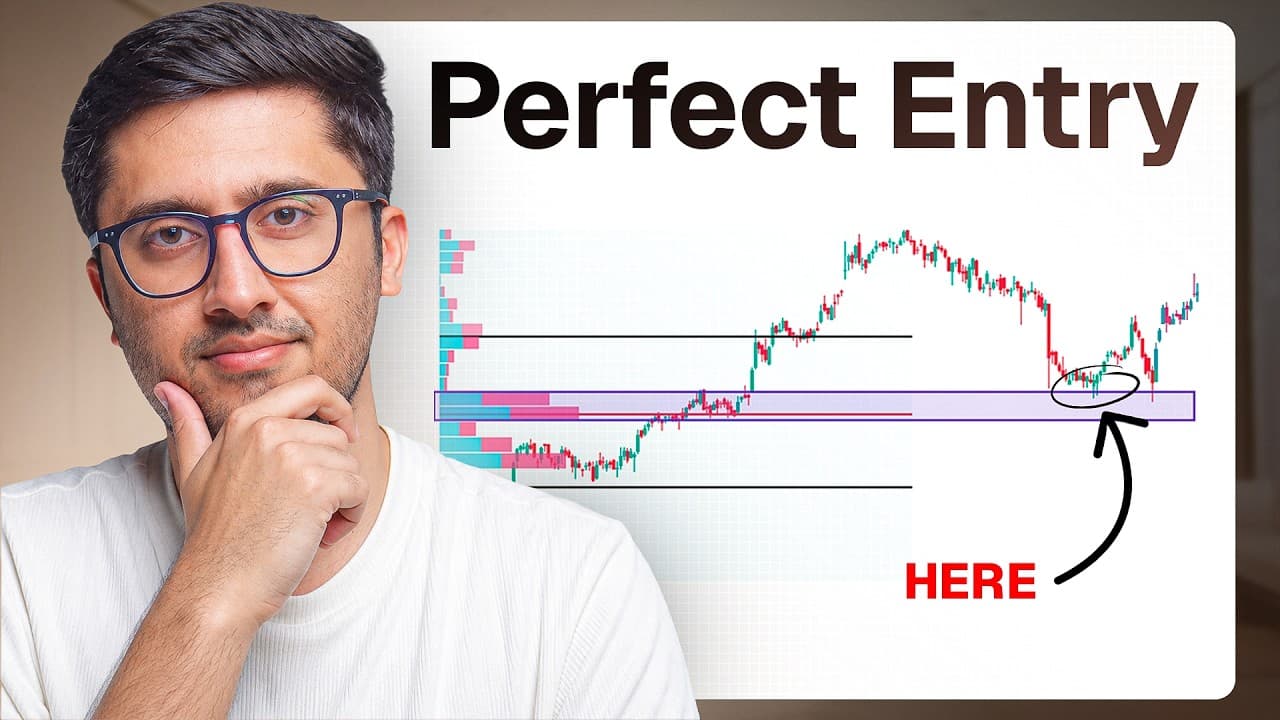
Volume Profile Pullback Strategy: Finding High-Probability Entry Zones
Volume Profile Pullback Strategy is a trading approach that combines Volume Profile with market structure concepts like BOS and CHoCH to identify high-probability pullback zones, helping traders improve entry timing and risk-reward opportunities.
28.54K views
17 mins

Liquidity Sweep & Fair Value Gap Trading Strategy
Liquidity Sweep and Fair Value Gap (FVG) trading is a price action strategy that combines liquidity grabs, market structure shifts, and imbalance zones to identify high-probability entries.
4.40K views
13 mins

The 4 Market Conditions Every Trader Must Understand Before Taking a Trade
Market conditions are the different phases of price behaviour that traders encounter, including uptrends, downtrends, ranging markets, and choppy markets.
4.32K views
12 mins

Perfect Market Structure Entries via Break of Structure (BOS) & Change of Character (ChoCh)
Stop letting volatile markets hit your stop-loss and learn the structural entry secrets that actually separate profitable traders from the trapped 90%.
6.38K views
17 mins
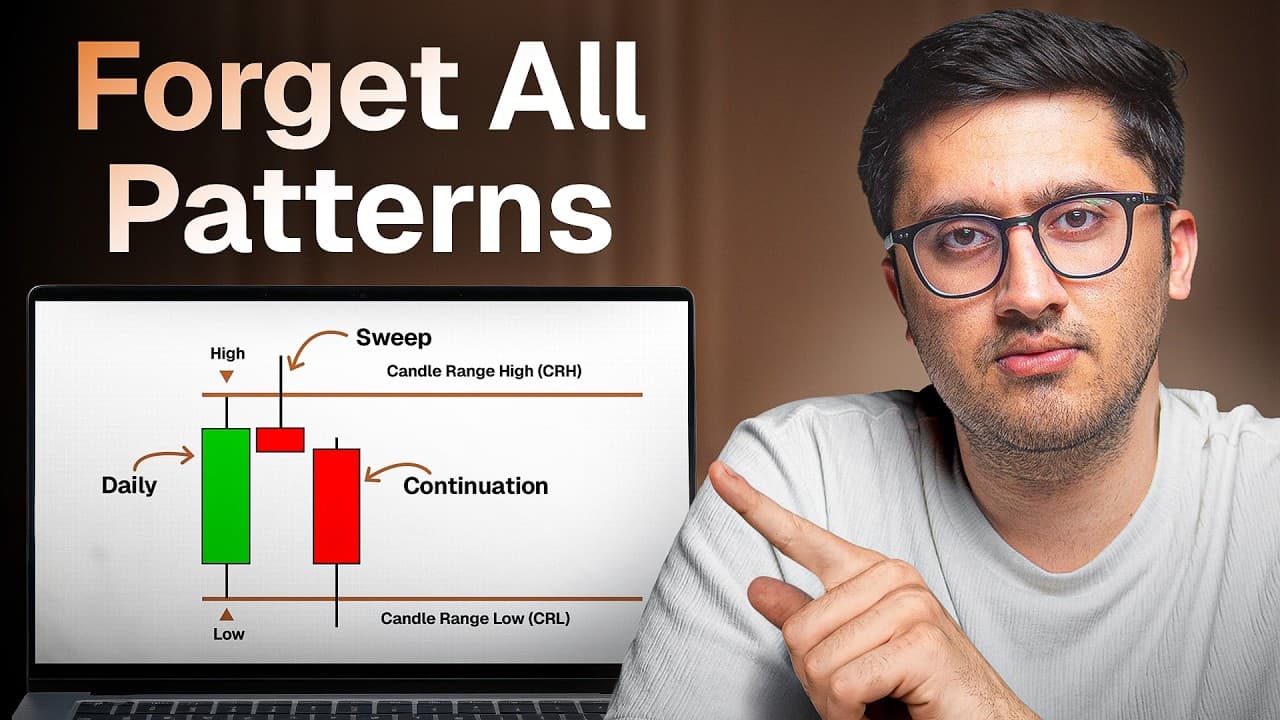
Candle Range Theory (CRT): The 3-Candle Strategy to Replace Complex Patterns
Candle Range Theory (CRT) distils price action down to the high and low of a single, powerful candle.
13.36K views
12 mins
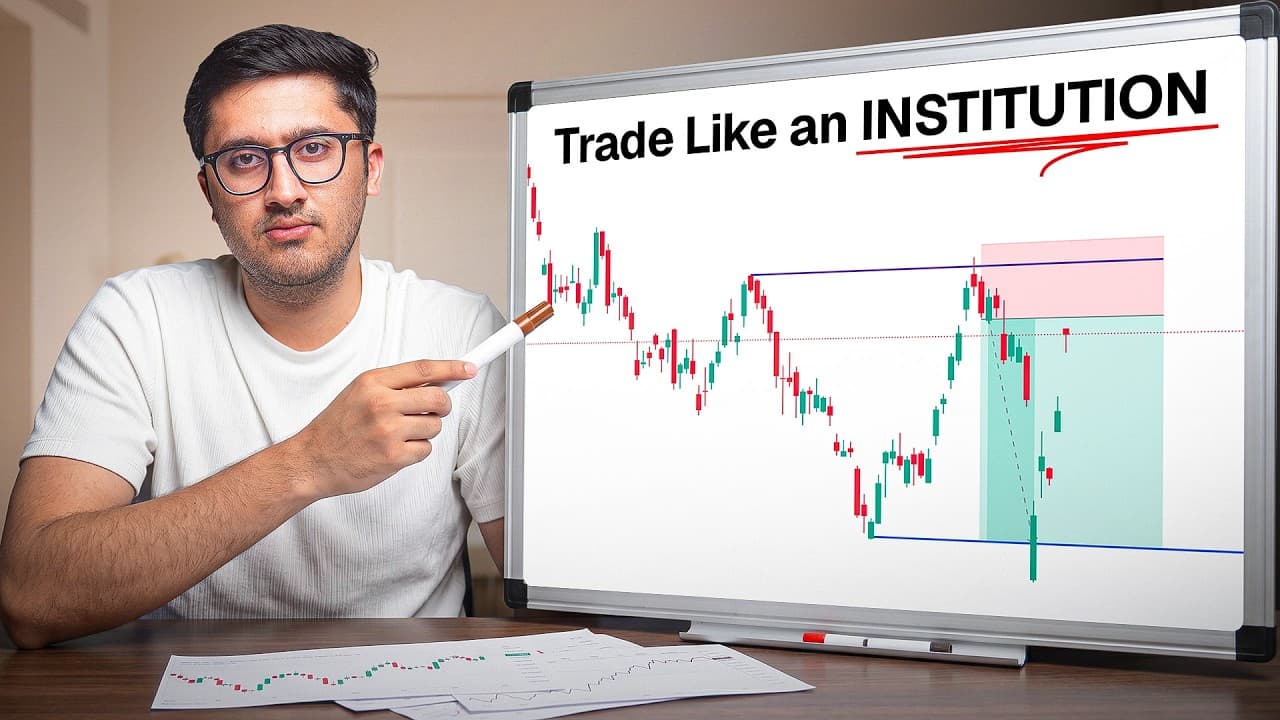
The Ultimate SMC Strategy for NIFTY: Mastering BOS + CHoCH
Forget the myth that Smart Money Concepts (SMC) are only for crypto and forex—institutions leave their footprints heavily on NIFTY, too.
6.18K views
36 mins
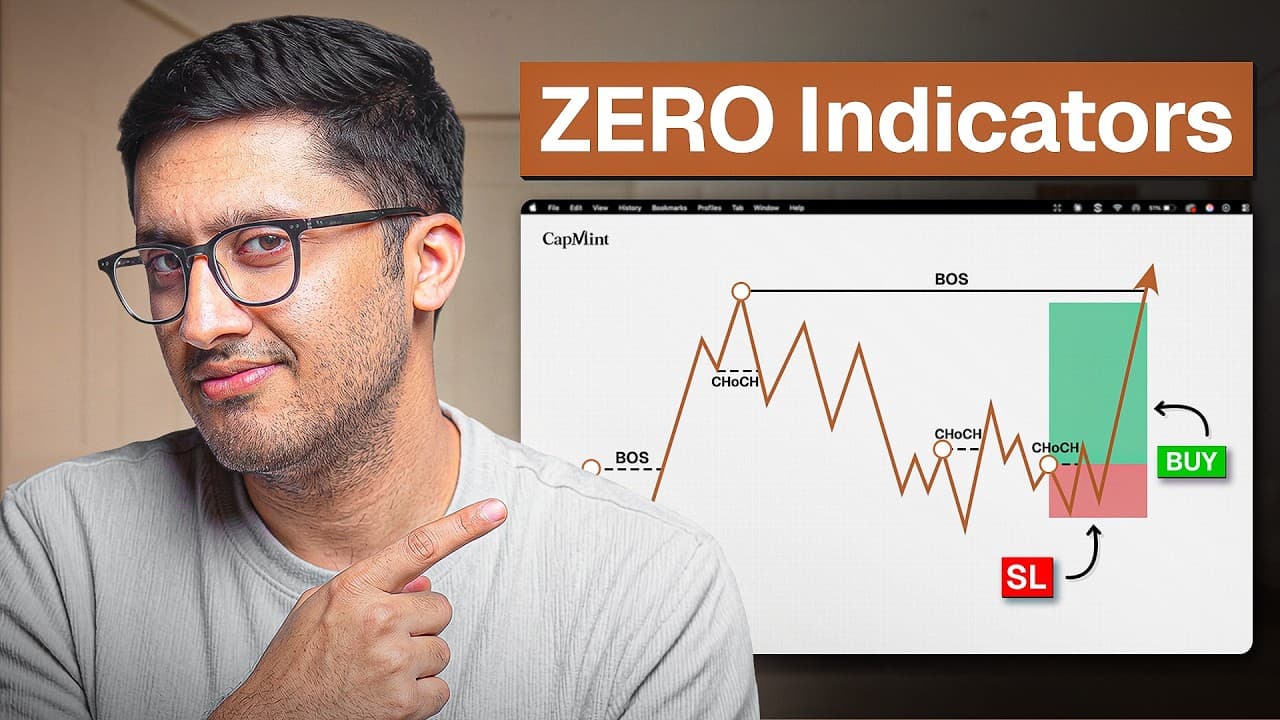
How to Trade Pure Price Action Using Multi Timeframe Analysis
Are you tired of getting trapped by false breakouts and fake trend reversals? Learn how mapping pure market structure can drastically improve your real-time execution in this masterclass.
43.28K views
22 mins

Complete Intraday Trading Masterclass: Leverage, Psychology, and Survival
Are you ready to step away from the false promises of fast money and master the brutal reality of intraday trading? This comprehensive masterclass strips away the illusions to reveal the core mechanics of day trading.
1.78K views
19 mins

The Ultimate Guide to Multi-Timeframe Market Structure
Trading exclusively on a 5-minute or 15-minute chart is a guaranteed way to get trapped in fakeouts. In this video, we reveal the "secret sauce" of Multi-Timeframe (MTF) Analysis, showing you exactly how to align your execution timeframe with higher timeframe market structure to predict major reversals and pullbacks.
19.93K views
24 mins

The Only 4 Trading Indicators You Will Ever Need
Are traditional moving averages getting you chopped up in sideways markets? In this video,we reveal a complete, backtested strategy using just four specific indicators to filter out market noise, find perfect entries, calculate exact stop-losses, and maximize your exits.
4.01K views
11 mins
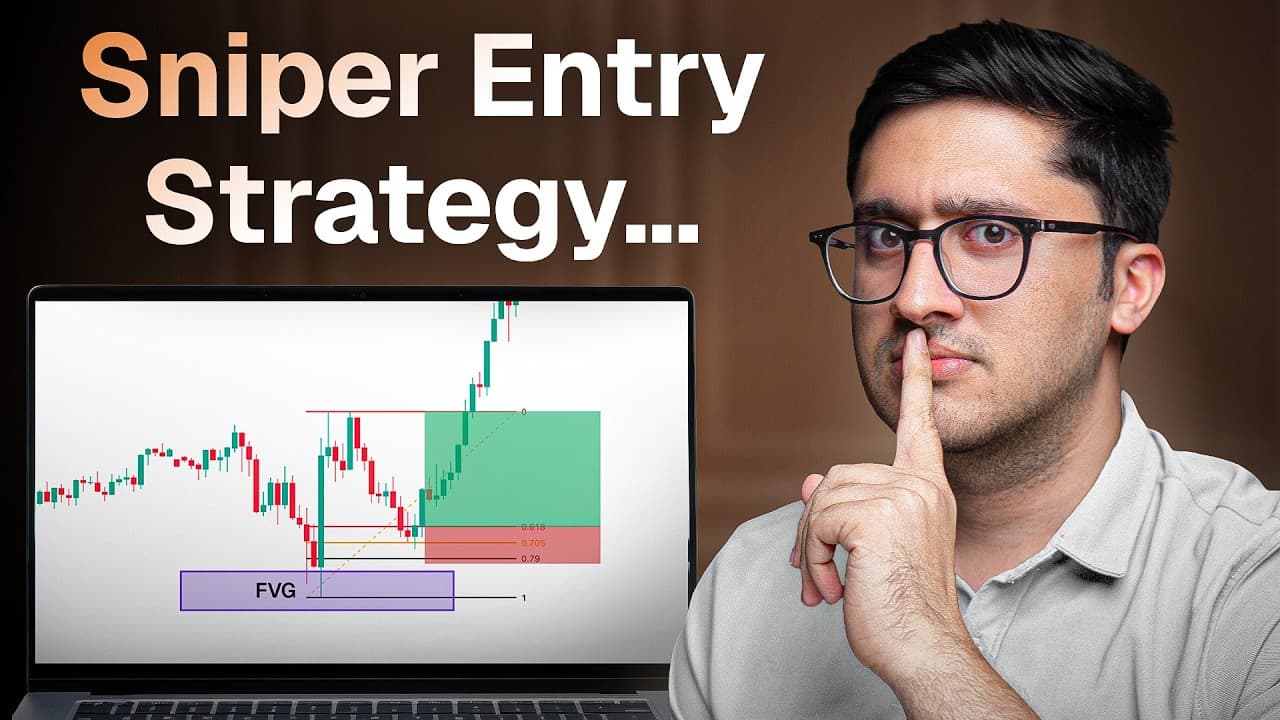
The Ultimate Fibonacci Sniper Zone Trading Strategy
Finding the exact point where a market will reverse feels impossible until you know what to look for. We reveal a customized 5-step strategy that modifies the traditional Fibonacci tool to pinpoint a highly accurate "Hidden Sniper Zone" for exact entries and exits.
19.14K views
8 mins

The Secret Liquidity Strategy 97% of Traders Do Not Know
Do you ever feel like the market is specifically hunting your stop-loss? It is. We break down the "Draw on Liquidity" strategy, revealing how institutional money sweeps retail stop-losses before massive reversals, and how you can spot these traps to trade alongside the smart money.
13.18K views
8 mins

How to Draw and Trade Trendlines?
Are your trendlines constantly getting broken just before the market reverses? The CapMint Trading team reveals how to draw diagonal support correctly, spot fakeouts, and use trendlines as ultimate liquidity maps to trade alongside the institutions.
3.85K views
9 mins
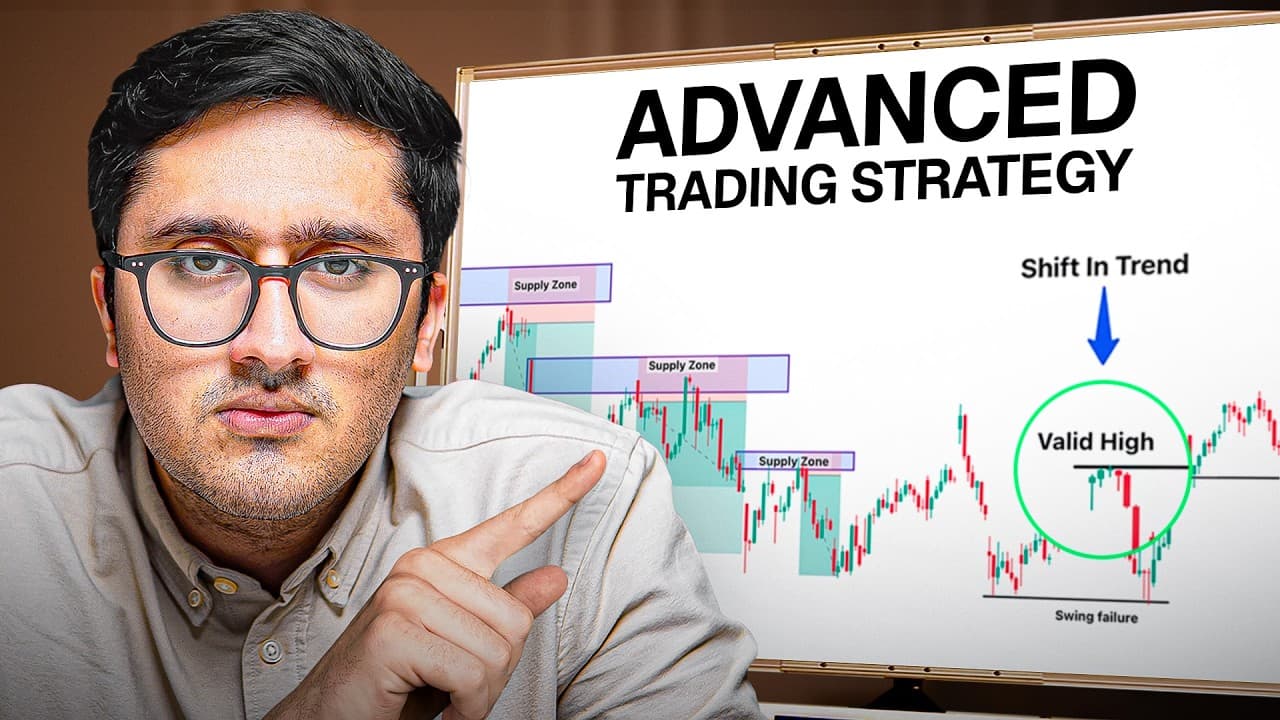
The 3-Step Market Structure Trading Strategy Explained
What happens when you backtest a pure price action strategy 100 times?We break down a highly profitable 3-step system that relies entirely on market structure, swing failures, and supply/demand zones. No complex indicators required.
45.79K views
11 mins

How to Trade the Bollinger Bands and RSI Combo Strategy?
Trading Bollinger Bands alone often leads to a low win rate and frustrating fakeouts. The CapMint Trading team reveals how to fix this by combining custom Bollinger Band settings with RSI and candlestick confirmations to build a powerful mean reversion strategy.
4.04K views
9 mins
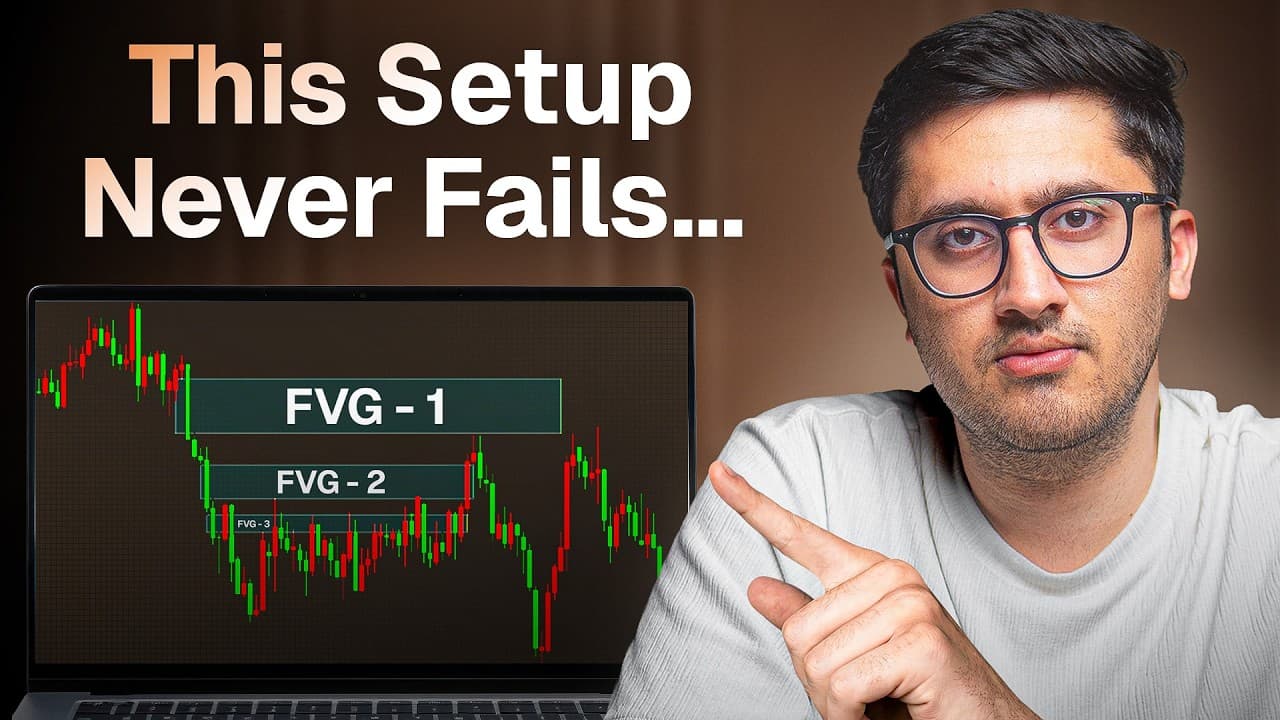
The FVG Secret: Identifying Valid vs. Invalid Fair Value Gaps
Not all Fair Value Gaps are created equal. The CapMint Trading team reveals the core differences between valid and invalid FVGs, plus 4 key factors to drastically improve your hit rate.
9.78K views
12 mins

Testing Larry Williams' Volatility Breakout (Donchian Channel) Trading Strategy
Can the legendary system that turned $10K into $1.1M still work today? We backtest the Larry Williams Volatility Breakout Strategy, revealing the exact Donchian Channel, LWTI, and Volume settings needed to catch massive momentum and avoid fakeouts.
5.12K views
9 mins

The Ultimate 4-Indicator Intraday Setup by the CapMint Trading Team
In this CapMint Trading tutorial, our team breaks down a powerful intraday strategy that relies on a unique combination of four different indicators.
3.52K views
11 mins

Beginner Guide to Start Trading
In this video, we take a grounded, realistic approach to help beginners step into the world of day trading. We quickly dispel the “get-rich-quick” myth fueled by flashy social media influencers, emphasising that trading requires patience, skill, and strict discipline rather than luck.
2.41K views
7 mins
Engineered for the obsessed. Built for traders.

Purpose-built terminals.
Zero compromise.
Built for speed.

Plot No 1290, 2nd Floor, 17th Cross, 5th Main, Sector-7, HSR Layout, Bangalore 560102
Follow us on


Mintcap Brokers Private Limited
CIN – U66110KA2023PTC178706 | Registered Address: Plot No 1290, Second Floor, 17th Cross, 5th Main, Sector-7, HSR Layout, Bangalore 560102 | Tel: 080 – 49552310 | Email ID: compliance@capmint.com | SEBI registered Stock Broker: INZ000322732 | NSE Cash/F&O Member ID: 90430 | BSE Cash/F&O Member ID: 6903 | MCX Member ID: 57400 | NCDEX Member ID: 1312 | SEBI registered Depository Participant: IN-DP-806-2025 | CDSL DP ID: 12102300 | NSE Clearing Member code: M70108 | AMFI-Registered Mutual Fund Distributor: ARN-289109 (Valid upto 28-Feb-2027) | Category II Execution Only Platform : E6903
Details of Client Bank Account
Compliance Officer: Ms. Shridevi Vungarala | Email ID: compliance@capmint.com | Tel no. + 91 9035330126 | Grievance Redressal Officer (GRO) – Ms. Shikha Gupta | Email ID: Grievance@capmint.com | Tel no: 9035331595.
Procedure to file a complaint on SEBI SCORES: Register on SCORES portal. Mandatory details for filing complaints on SCORES: Name, PAN, Address, Mobile Number, E-mail ID. Benefits: Effective Communication, Speedy redressal of the grievances. You may refer the website https://scores.sebi.gov.in/ for more information. You may also download the SEBI Scores app to log a complaint Android: https://play.google.com > store > apps > sebiscores iOS: https://apps.apple.com > app > sebiscores
Disclaimer
Investment in the securities market are subject to market risks, read all the related documents carefully before investing. Brokerage will not exceed the SEBI prescribed limit.
Mutual fund investments are subject to market risks, read all scheme related documents carefully before investing. Mutual Funds are not exchange-traded products.
Attention Investor:
- Stock Brokers can accept securities as margin from clients only by way of pledge in the depository system w.e.f. September 1, 2020.
- Update your mobile number & email Id with your stock broker/depository participant and receive OTP directly from depository on your email id and/or mobile number to create pledge.
- Pay 20% as upfront margin of the transaction value to trade in cash market segment.
- Investors may please refer to the Exchange’s Frequently Asked Questions (FAQs) issued vide circular reference NSE/INSP/45191 dated July 31, 2020 and NSE/INSP/45534 dated August 31, 2020 and other guidelines issued from time to time in this regard.
- Check your Securities /MF/ Bonds in the consolidated account statement issued by NSDL/CDSL every month.